



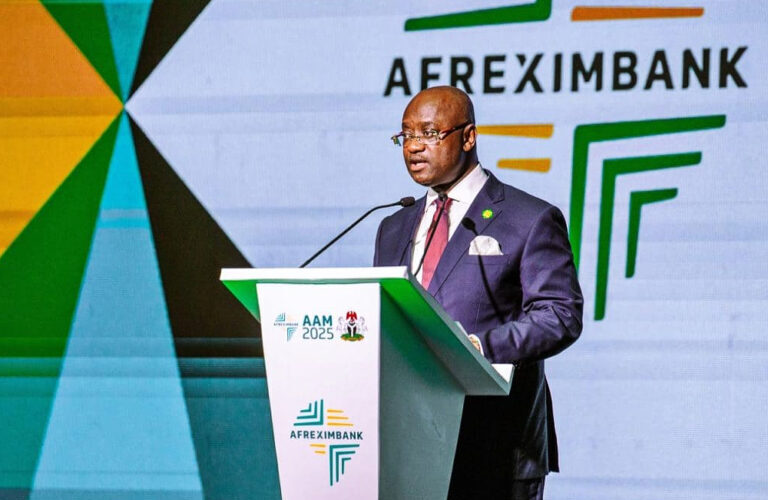
The African Export-Import Bank (Afreximbank) has selected eight African startups for the inaugural cohort of its Accelerator Program, with up to $250,000 in equity investment available to each company.
The cohort—Daba Finance, Timon, OnePort 365, Fluna, Capsa Technology, Gebeya, Zowasel, and Fincart.io—spans fintech, logistics, talent infrastructure, and trade enablement. Together, they reflect a growing institutional appetite for startups tackling Africa’s most persistent bottlenecks: access to capital, cross-border trade friction, and fragmented markets.
For Afreximbank, this isn’t a branding exercise. It’s a signal that one of Africa’s most influential financial institutions is moving closer to the early-stage innovation layer of the ecosystem.
From balance sheets to builders
Development finance institutions have historically supported African trade through large-ticket financing, guarantees, and sovereign-linked programs. What’s changing is where that capital is now being deployed.
By backing startups at the accelerator stage, Afreximbank is effectively acknowledging that many of Africa’s trade and export challenges are no longer solvable by policy alone. They require software, infrastructure, and founder-led execution.
That shift mirrors a broader global trend: large institutions are no longer waiting for startups to mature before engaging. They’re stepping in earlier—when product direction and market focus can still be shaped.
The cohort: infrastructure, not hype
The selected startups are not consumer-facing unicorn hopefuls. They are infrastructure plays, quietly building rails for African commerce:
- Daba Finance – investment infrastructure improving access to African capital markets
https://daba.finance - Timon – payments and financial tools designed for travellers and cross-border use cases
https://timonapp.com - OnePort 365 – logistics and supply-chain software simplifying trade operations
https://oneport365.com - Fluna – financial tools focused on streamlining payments and treasury operations
https://fluna.io - Capsa Technology – trade and financial infrastructure targeting SMEs
https://capsa.io - Gebeya – talent marketplace connecting African tech talent to global opportunities
https://gebeya.com - Zowasel – digital marketplace linking farmers directly to buyers
https://zowasel.com - Fincart.io – financial tools enabling better trade and commerce execution
https://fincart.io
The common thread is practical problem-solving. These startups sit at the intersection of trade, finance, and market access—areas that align directly with Afreximbank’s core mandate.
Why this matters for African startups
Equity cheques of up to $250,000 may not sound transformative in global venture terms, but in Africa’s current funding climate, they matter. Early-stage capital has become harder to access, and investors are increasingly selective.
More importantly, institutional backing brings more than money. It brings distribution, credibility, and access to decision-makers across governments, corporates, and regional trade networks—advantages most early-stage founders struggle to unlock.
This is where accelerators run by institutions differ from traditional VC programs. The value lies not just in capital, but in proximity to power.
A signal to the ecosystem
Afreximbank’s move adds to a growing pattern: African development institutions are no longer content to fund outcomes—they want to shape the infrastructure that produces them.
If successful, this accelerator could become a blueprint for how large African institutions support innovation: earlier, more targeted, and closer to real economic activity.
For founders building in trade, logistics, and financial infrastructure, the message is clear: institutional capital is paying attention—but only to startups solving real problems, not chasing hype.






Comments 1