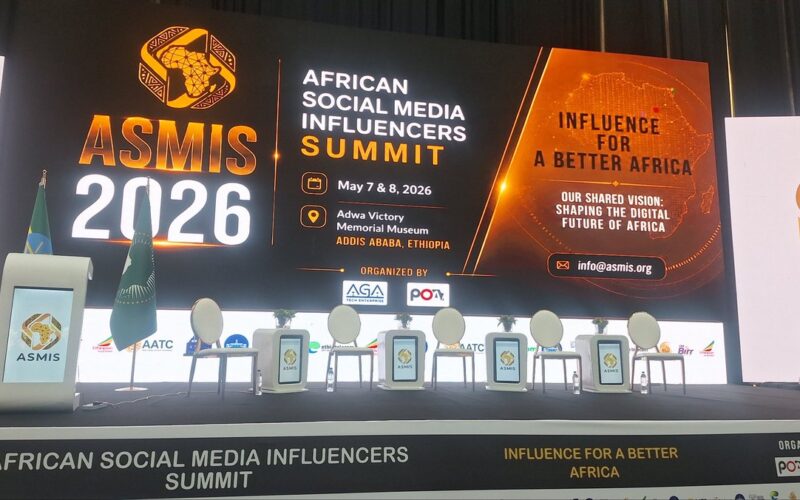
Addis Ababa became the continent’s creator capital last week as Ethiopia hosted the first African Social Media Influencers Summit, bringing together 61 influencers from 30 African countries alongside 120 Ethiopian content creators in what organisers described as the continent’s most ambitious gathering of digital storytellers to date.
The summit’s stated mission: use the combined reach of Africa’s most prominent online voices — a collective audience exceeding 471 million followers — to promote African culture, intra-continental tourism, and a more African-authored narrative of the continent’s story.
What the Summit Actually Achieved
The numbers are striking on their face. A combined 471 million followers represents an audience larger than the United States. If even a fraction of that reach translated into shifts in how global audiences perceive African tourism or how African audiences engage with each other’s cultures, the event’s organisers would have a meaningful outcome to point to.
Whether that translation happens in practice is the harder question. Influencer summits live and die by what creators do after they leave the venue. The output that matters is not the speeches or the panel sessions — it is the content those 181 creators publish, the brand partnerships that materialise from the connections made, and whether the Ethiopian government and African Union can convert a one-time gathering into durable infrastructure for pan-African creator collaboration.
Ethiopia’s hosting of the summit is itself a signal. Addis Ababa is the seat of the African Union, which gives the city a symbolic claim on pan-African initiatives. The country’s government has increasingly pursued digital economy positioning, including its push to develop electric vehicle manufacturing and tech infrastructure capacity — context that makes hosting a pan-continental creator summit a coherent strategic move rather than an opportunistic one.
The Creator Economy Gap It Aims to Fill
Africa’s creator economy is enormous in reach and underdeveloped in monetisation infrastructure. The continent produces content consumed by hundreds of millions — but the platforms capturing the advertising revenue that reach generates are overwhelmingly foreign-owned, headquartered in California and Beijing, with limited accountability to African creative communities.
The summit did not resolve that structural problem. What it did was create a physical space where African creators — who typically operate in separate national silos, shaped by different platform algorithms and advertiser ecosystems — could establish relationships across borders. A Nigerian lifestyle creator meeting a Kenyan travel influencer in Addis Ababa is not a small thing. The pan-African creative network that continent-building requires does not emerge from digital connection alone. It requires rooms.
The tourism angle is particularly commercially interesting. Africa’s intra-continental tourism market remains severely underdeveloped relative to the continent’s size. Visa restrictions, poor air connectivity, and a near-total absence of authentic peer-to-peer travel content from African creators about African destinations all suppress demand. The digital economy’s infrastructure deficit and the content infrastructure deficit are connected problems — and influencers who travel to and genuinely document African destinations for African and global audiences represent a more credible marketing channel than any tourism board campaign.
What Comes Next
The summit’s organising framework and follow-up commitments were not detailed in the immediate announcement. That gap matters. A gathering of 181 creators with a combined audience of 471 million followers is a significant convening — but without a coordinating structure, shared content campaigns, or an institutional partner that can channel brand investment toward participating creators, the event risks becoming a memorable photograph rather than a movement.
The honest benchmark is not whether the summit happened. It is whether a second edition happens, whether the creator relationships forged in Addis Ababa produce measurable content output, and whether African tourism boards and brand advertisers begin routing budget through the network the summit assembled.
Africa’s creator economy does not lack talent or reach. It lacks organised infrastructure that connects that reach to commercial opportunity on terms that keep value on the continent. The first African Social Media Influencers Summit planted a flag. The real story is what gets built around it.