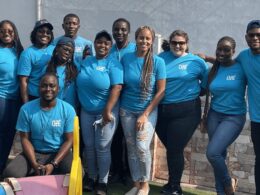
Alan, the French health insurance unicorn backed by football star Kylian Mbappé, has acquired Tanel, a Dakar-based digital health startup, in a deal that closed in June and gives the €5 billion company its first foothold on the continent. Terms were not disclosed.
The acquisition hands Alan an operating platform in Senegal and Côte d’Ivoire rather than a market entry built from scratch. Tanel serves roughly 70,000 members across more than 400 companies and connects users to over 1,200 pharmacies and healthcare providers, giving Alan an instant distribution network in a region where health insurance penetration remains thin.
Why Alan Chose an Exit Path Over a Cold Start
Alan estimates the West African health insurance market at close to €600 million, growing at roughly 10% a year in Senegal and Côte d’Ivoire. Rather than compete for that market from zero, the company opted to buy its way in through a founder team it already knew. Alan first backed Tanel during its 2024 seed round and spent two years working alongside the founders before deciding to acquire the company outright.
That relationship shapes how this deal is being read across the region’s Francophone startup scene, where investment activity has typically lagged Anglophone hubs like Lagos and Nairobi. Tanel’s path — seed investor becomes acquirer — is unusual for an ecosystem where exits of any kind are rare, let alone one where a global insurer is the buyer.
A Founding Story Rooted in Paper-Based Coverage
Tanel was founded in 2021 by Mouhamed Ndoye and Makhtar Diop to fix a problem familiar to HR departments across West Africa: employee health coverage managed through paper records and fragmented processes. The startup built digital tools giving companies cleaner oversight of benefits while giving employees more direct access to care.
The company raised a total of $2.45 million and had been underwriting and carrying its own insurance risk on that balance sheet. It never set up an employee share scheme, planning to introduce one at a Series A round it never reached. Under Alan, staff will now receive equity as company policy, according to Ndoye.
What Changes Under Alan’s Ownership
The most immediate operational shift is reinsurance. Tanel had been carrying its own risk internally. Alan works with global reinsurers, which lets the combined business offload part of its exposure and write larger policies without straining capital. Ndoye described this as one of the clearest benefits of the deal, since Tanel had managed underwriting risk alone up to this point.
The second shift is product philosophy. Alan has built its model around flagging health risks before they become costly claims, a preventive approach it plans to introduce through Tanel’s existing user base — a departure from the reactive, claims-after-the-fact model common among African health insurers, including Kenya’s M-KOPA and Turaco in their embedded insurance push.
An Exit That Breaks the Region’s Usual Pattern
The deal delivers a full exit to Ventures Platform, AAIC Investment, and a group of angel investors, all of whom backed Tanel’s earlier rounds. Exits of this kind remain scarce in Francophone West Africa’s fintech and healthtech corridor, where most venture-backed startups are still years from any liquidity event.
It also fits a broader pattern of foreign acquirers picking up African startups for market access rather than pure technology, echoing recent moves like Singapore’s bolttech buying Kenyan insurtech mTek and Tokyo-based WASSHA’s acquisition of mobility fintech Zaribee. In each case, the acquirer traded a slower organic build for a team that already understood local regulators, customers, and healthcare networks.
The Harder Question: Can It Scale Past Two Countries?
Alan and Tanel have set a target of more than one million members across Africa by 2030, starting with deeper penetration in Senegal and Côte d’Ivoire before expanding into English-speaking West and East African markets. That ambition depends on regulatory approval in each new country, a process that has slowed even well-funded African insurtechs before. It also assumes Alan’s preventive-care model, built for the French market, translates cleanly to healthcare systems with far less digital infrastructure and lower average incomes.
Ndoye and Diop will continue running the business day to day, with Tanel retaining its existing team. Whether Alan’s balance sheet and reinsurance access are enough to accelerate that expansion, or whether West Africa’s fragmented regulatory landscape slows it down the way it has slowed others, is the question worth watching over the next two years.