Lesaka Technologies has given itself another five months to close its R1.1 billion ($61 million) acquisition of Bank Zero, extending the deadline from August 6, 2026, to January 31, 2027. The Nasdaq-listed fintech group disclosed the change in a note to shareholders on Thursday, attributing the delay to outstanding regulatory approvals that have yet to clear.
What the Delay Signals About South African Fintech M&A
The extension does not kill the deal. Lesaka and Bank Zero’s sellers’ representative agreed to push the timeline rather than walk away, which suggests both sides still expect the transaction to close. But a second deadline slip on a deal of this size is a useful data point on how slowly South Africa’s banking regulators move when a digital bank’s ownership structure changes hands. Lesaka first announced the acquisition on June 27, 2025, betting that Bank Zero’s full banking licence would let it move deeper into digital banking rather than staying confined to fintech distribution and merchant services. Eighteen months later, that bet is still waiting on a signature.
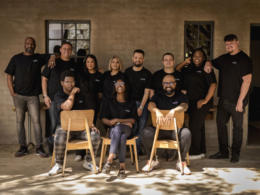
Bank Zero was founded in 2018 by Michael Jordaan, the former CEO of FNB, alongside Yatin Narsai, who now serves as the online mutual bank’s CEO. Seven people founded the bank in total, and it has marketed itself as 45% Black-owned and 20% women-owned — ownership credentials that matter under South Africa’s financial sector transformation rules and that regulators are likely scrutinizing as part of the approval process.
How the Deal Is Structured
The transaction will be settled mostly in shares. Once it closes, Bank Zero’s founders and sellers will hold approximately 12% of Lesaka’s fully diluted equity, with Jordaan set to join the Lesaka board. Up to R91 million ($5.1 million) will be paid in cash on top of the stock component. For Lesaka chairman Ali Mazanderani, the deal is part of a broader push to diversify the group beyond its existing fintech and distribution platform — language he used when describing Lesaka’s current positioning as built on “multiple levers of sustained growth.”
That framing matters because Lesaka has been an active consolidator. The company acquired Adumo, South Africa’s largest independent payments processor, for roughly $85.9 million in a deal that folded a major payments processor into its fintech stack. Bank Zero represents a different kind of acquisition — not a bolt-on payments business, but a banking licence that would let Lesaka offer regulated deposit and transactional products directly, rather than through partner banks.
The Regulatory Bottleneck Behind the Timeline
Lesaka’s guidance to investors currently excludes any contribution from Bank Zero, which tells its own story. The company is not factoring the deal into its near-term numbers, even as it keeps the transaction alive on paper. That is a sensible hedge against further slippage, but it also underlines how little visibility Lesaka has into when South African Reserve Bank and Competition Commission approvals will actually land.
South Africa’s M&A pipeline has accelerated sharply over the past two years, with 67 mergers and acquisitions closing across the continent last year — a 72% jump from 39 in 2024, and fintech accounting for nearly half of those deals. Much of that consolidation has moved faster than Bank Zero’s, partly because many of the targets did not require a full banking licence transfer. License-driven deals, by contrast, have consistently taken longer to clear, as seen in Moniepoint’s acquisition of Bancom Europe in the UK, which moved through a different regulatory track but underscored the same pattern: buying a licence is rarely as fast as buying a customer base.
What to Watch Next
The new deadline gives Lesaka until the end of January 2027 to either secure the remaining approvals or walk away from a deal it has now waited on for more than 18 months. If the South African Reserve Bank signs off before then, Jordaan’s arrival on Lesaka’s board would mark one of the more notable banking-licence consolidations in the country’s fintech sector this decade. If it slips again, the market will start asking whether Lesaka’s broader growth platform was ever contingent on Bank Zero closing at all.